

How to build a padel court: a step-by-step construction guide
From the first idea to the first match: the phases of padel court construction, who handles each one and the mistakes that delay a project.

Construction
From first idea to first match
Building a padel court is simpler than it looks when each party knows its role. This is the roadmap we follow with clubs, hotels, councils and residential developers.
Before you start: who does what
A padel court involves two main blocks of work. The groundworks (site, concrete base, drainage and power supply) are carried out by your contractor. The court itself (design, manufacturing, delivery, installation and after-sales) is what we do at Padel Courts Master. We provide the technical specifications so the groundworks are exactly what the court needs.
Phase 1: planning
Step 1. Define the project
Start with how the court will be used: a club living off court bookings, a hotel, a residential development and a local council do not need the same thing. Decide whether the court will be outdoor, covered or indoor, how many courts you want and which model suits your players and your site.
Step 2. Choose and check the site
Each court measures 20 x 10 m but needs a plot of around 12 x 22 m. Check lorry access, the available power supply and whether you need planning permission or local permits. We go into detail in padel court dimensions.
Step 3. Receive the technical specifications
Once the project is defined, we send you the base and ground drawing: dimensions, levels, falls, anchor zones and electrical points for the lighting.
Phase 2: groundworks (your contractor)
Step 4. Prepare the ground and build the base
Your contractor strips the topsoil, compacts the sub-base, sorts out drainage and pours the concrete slab to our specifications, allowing it to cure fully before installation. This is the phase that most affects the final result; see the details in the padel court concrete base.
Phase 3: manufacturing and installation (PCM)
Step 5. Factory manufacturing
While the groundworks progress, we manufacture your court in our own factory: CNC and laser cutting, robotic MIG welding, hot-dip galvanising with C5 corrosion protection and oven-cured powder coating. Then come the 12 mm certified tempered glass, anti-injury mesh, stainless steel fixings and your chosen turf.
Step 6. Delivery and installation
We bring the court to your site and our crew installs it: frame and anchors, glass, mesh, turf with silica sand, competition net and 240 W LED lighting. Finally we adjust tensions and check every element. See how we work on our installation page.
How long does it all take? That depends on the number of courts, the model and how the groundworks are progressing, so we fit the schedule to your project.
Phase 4: handover and after-sales
Step 7. Handover, warranty and maintenance
We hand the court over ready to play, FIP-approved and with a 5-year warranty. From then on, regular maintenance (brushing and sand top-ups, checks on anchors, glass and tensions) extends its life. Our after-sales team stays with you, and we also maintain and install courts from any manufacturer.
Three tips for a smooth build
- Do not start the slab without the manufacturer's drawing.
- Plan the power supply for the lighting from day one.
- Appoint a single point of contact between your contractor and our installation crew.
Frequently asked questions
-
Who does the groundworks for a padel court?
The groundworks (site, concrete base, drainage and power) are carried out by the client's contractor using Padel Courts Master's specifications. PCM manufactures, delivers and installs the court and provides after-sales service. -
How long does it take to build a padel court?
It depends on the number of courts, the model and the progress of the groundworks. At Padel Courts Master we fit manufacturing and installation to each project's schedule. -
Do I need planning permission for a padel court?
It depends on the country and the local authority. In many places, including the UK, you should check planning requirements, especially for lighting and noise, before building the base. -
Can you build a covered or indoor padel court?
Yes. We install outdoor, covered and indoor courts; under a roof we recommend a clear height of 7 to 8 m above the playing surface.

Let's start with your project
Tell us what you want to build and we will send you a quote along with the technical specifications for your contractor.
Related articles
Guides
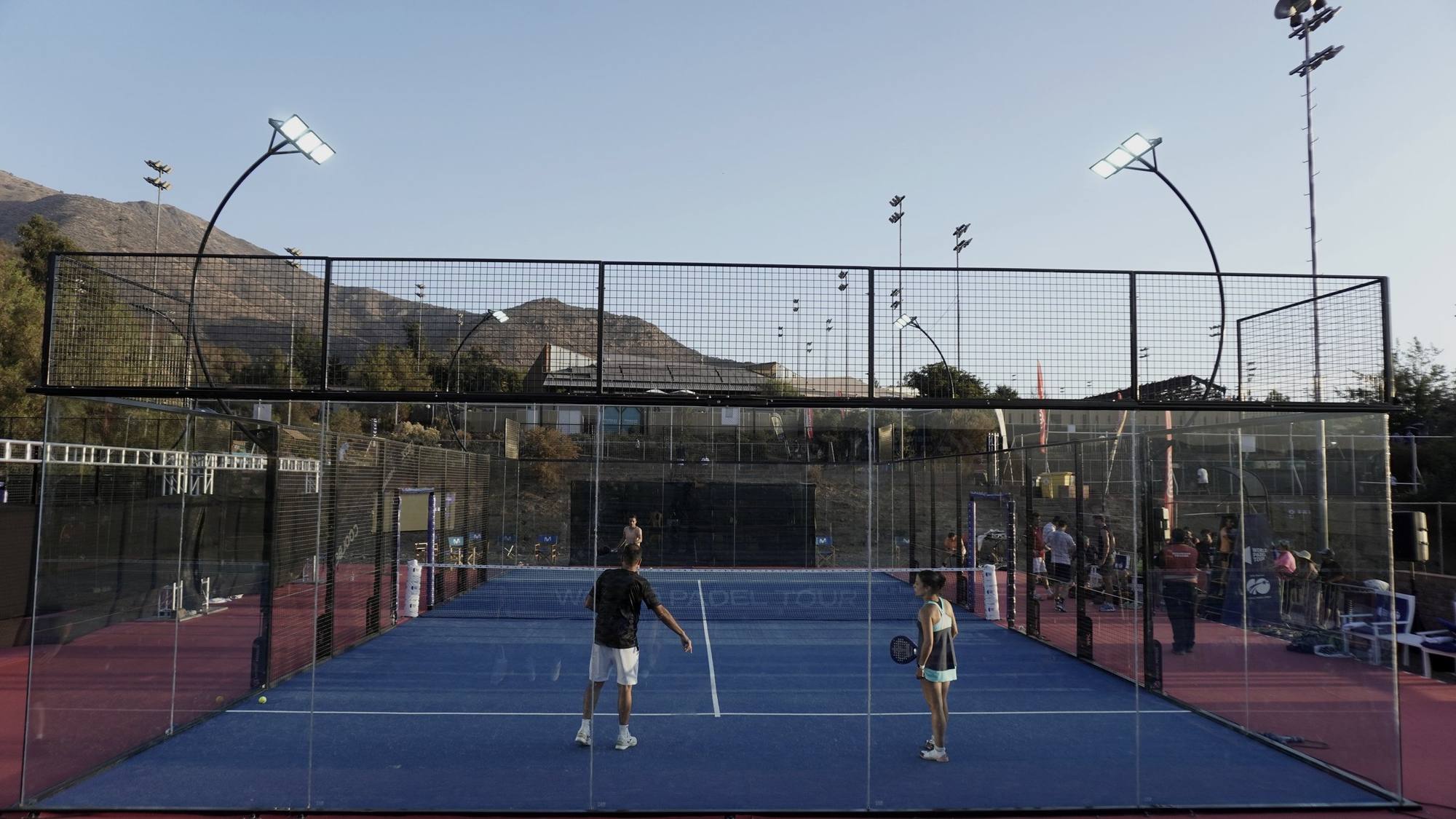
How to choose your padel court model: Full Vision, Panoramic and Elite Pro
We compare our padel court ranges so you can choose the right one for your project's use, audience and design.
Business
Is a padel court profitable? How to assess the business case
The sport's popularity alone does not make a padel court profitable. Location, occupancy, running costs and build quality decide the business case.
Guides
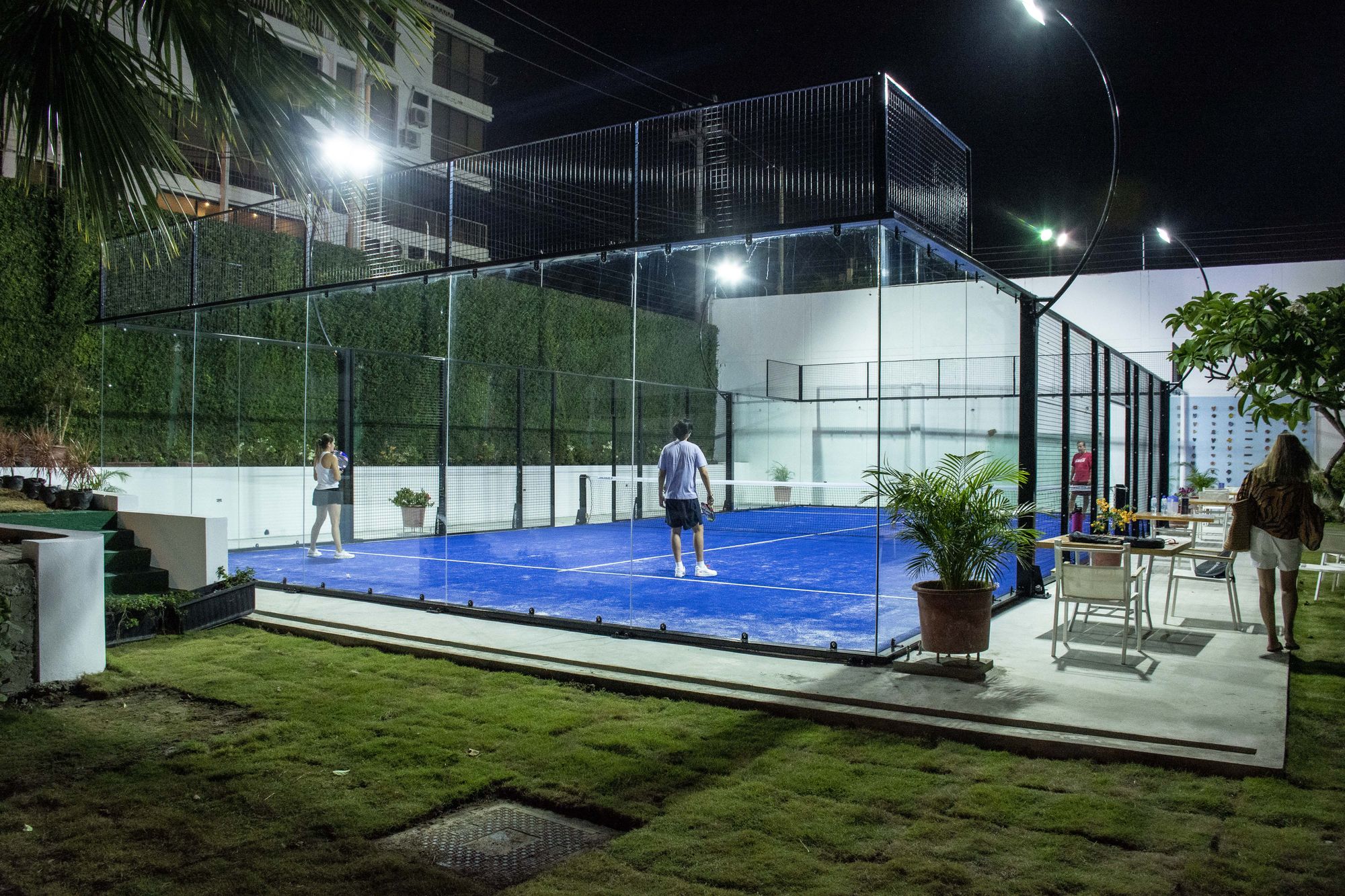
Padel court cost: the factors that determine the price
Why there is no single price for a padel court, which factors really move the figure and how to request quotes you can compare like for like.


