

Is a padel court profitable? How to assess the business case
The sport's popularity alone does not make a padel court profitable. Location, occupancy, running costs and build quality decide the business case.

Business
A good business needs more than a trending sport
Padel keeps growing, but a court only pays off when the project is well planned. These are the variables that turn booked hours into a sound business.
The short answer: it depends on how you plan it
A padel court can be a very solid business, but padel court profitability is not guaranteed by the popularity of the sport. Four things decide it: where the court is, how many hours it is booked, how much it costs to run and how long the installation keeps going without problems. Well planned, a court can pay back its cost within a reasonable period; badly located or poorly managed, it can sit empty even while padel keeps growing.
Why padel starts with an advantage
- Small footprint: a doubles court covers 200 m² (around 12 x 22 m with margins), far less than a tennis court, so several fit on an urban plot.
- Easy to fill: four players are enough, and matches of 60 to 90 minutes allow several groups to rotate through each day.
- Contained maintenance: a well-made court does not need daily work, just brushing, inspections and periodic sand top-ups.
- Broad appeal: it is quick to learn and attracts beginners, experienced players, juniors and corporate groups.
The factors that decide profitability
Location and demand
Access, parking, local population and an active player community. Study the competition: how many courts there are in your area, how full they are at peak times and what their players feel is missing.
Occupancy across the whole day
Evenings carry the demand; off-peak hours are filled with coaching, junior programmes, leagues and corporate groups. Good LED lighting enables night play, and a covered court adds usable hours when it rains or the heat is intense.
Running costs
Energy, staff, maintenance and management. High-efficiency LED lighting cuts consumption, and online booking with automated access lets you operate with a small team.
Court quality
A court that deteriorates forces you to block hours, repair and replace. Hot-dip galvanised steel with C5 treatment, oven-cured powder coating, 12 mm tempered glass and premium turf keep the court open and deliver the playing experience that brings players back. See real examples in our projects in 18 countries.
Profitability by type of project
- Clubs: the direct business, with court hire, coaching, tournaments and services. We go into detail in the padel club business model.
- Hotels and resorts: a differentiator that extends stays, attracts groups and livens up the low season.
- Residential developments: a shared amenity that adds value to the scheme and helps it sell.
- Local councils: a clear social return, with accessible sport and the option of contracting out the operation.
How to assess your project before deciding
Start with a market study of your area and model cautious occupancy scenarios, not ideal ones. Add up every cost: courts, groundworks, any roof, changing rooms, permits, staff and marketing. Then define your offer and pricing policy against the competition. For the courts themselves, review the factors behind padel court cost and ask us for a quote for your specific case: we will help you choose the model and configuration that best fit your plan.
Frequently asked questions
-
Is a padel court profitable?
It can be, provided it is in an area with demand, keeps good occupancy throughout the day and has running costs under control. Court quality matters too, because it reduces repairs and keeps players coming back. -
What factors affect the profitability of a padel court?
The main ones are location and competition, peak and off-peak occupancy, additional income such as coaching and tournaments, energy, staff and maintenance costs, and the durability of the installation. -
Is an indoor padel court more profitable than an outdoor one?
In climates with frequent rain or intense heat, a covered court adds usable hours across the year, but it needs a roof with 7 to 8 m of clear height. Assess it against your local climate and demand. -
How many padel courts should I build?
It depends on the project. A club usually needs several courts to run leagues, tournaments and coaching at the same time, while a hotel or residential development can work well with just one.

Let's look at your project
Tell us what you want to build and we will prepare a court quote tailored to your plan.
Related articles
Guides
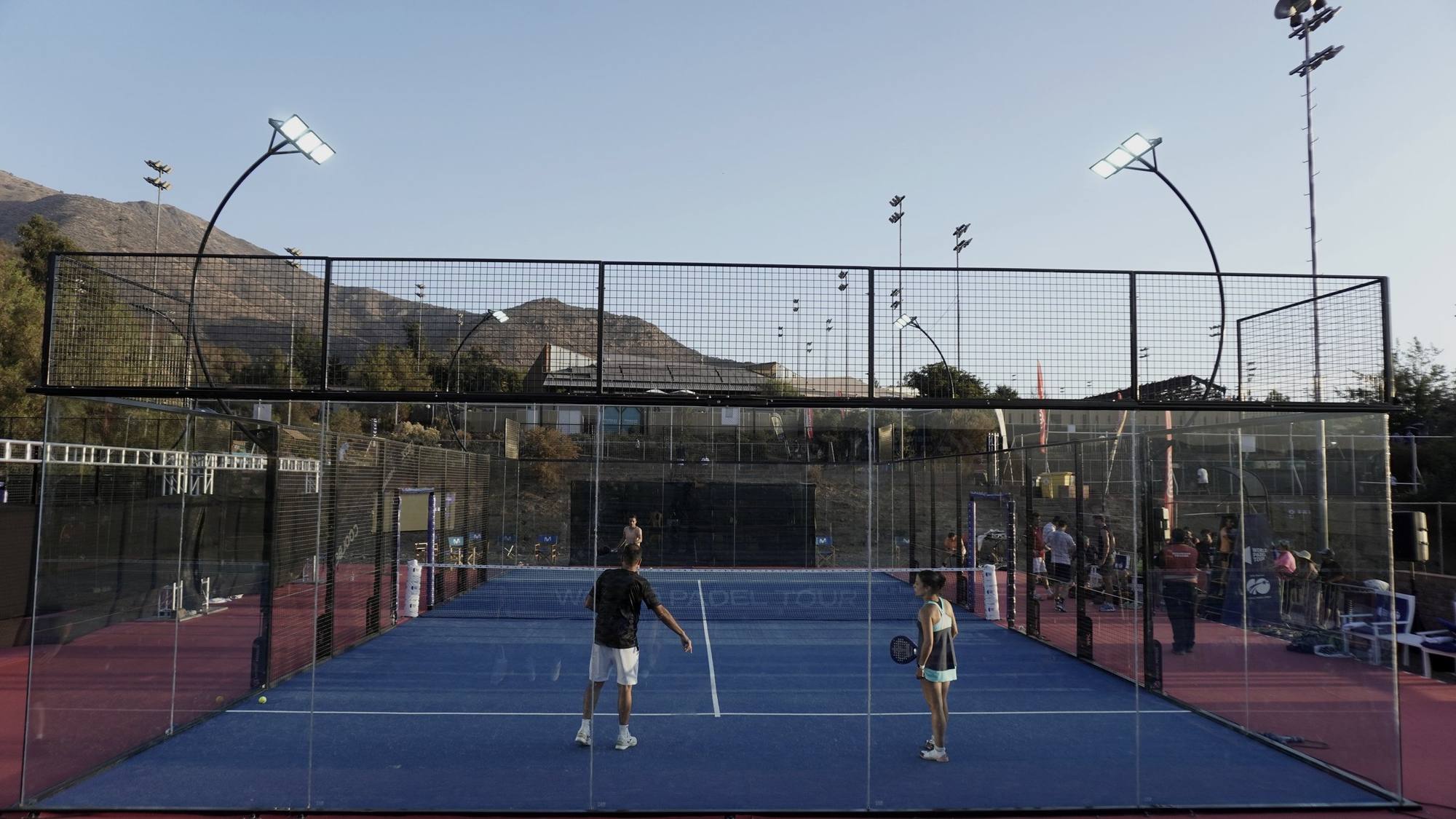
How to choose your padel court model: Full Vision, Panoramic and Elite Pro
We compare our padel court ranges so you can choose the right one for your project's use, audience and design.
Guides
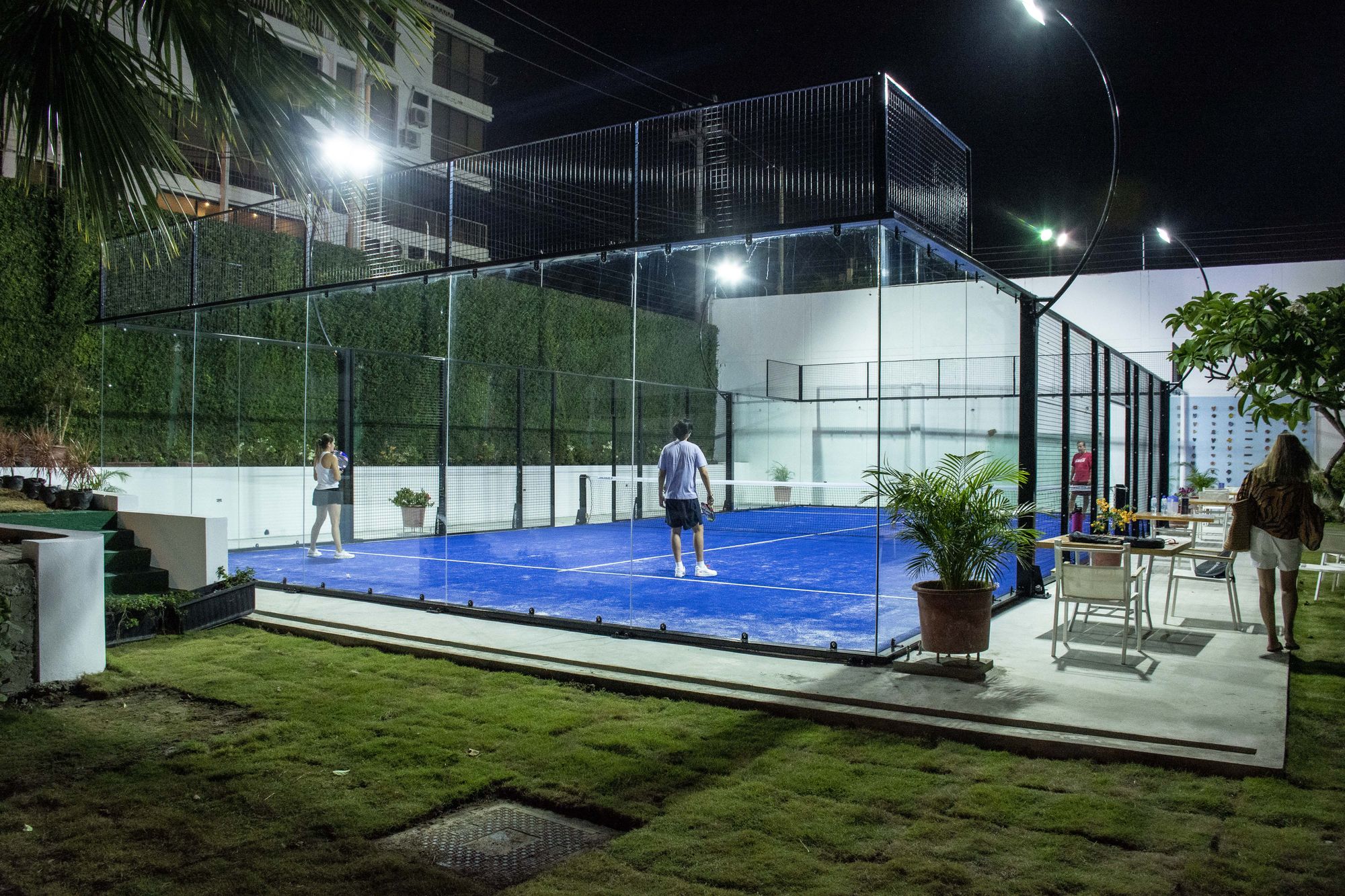
Padel court cost: the factors that determine the price
Why there is no single price for a padel court, which factors really move the figure and how to request quotes you can compare like for like.
Guides
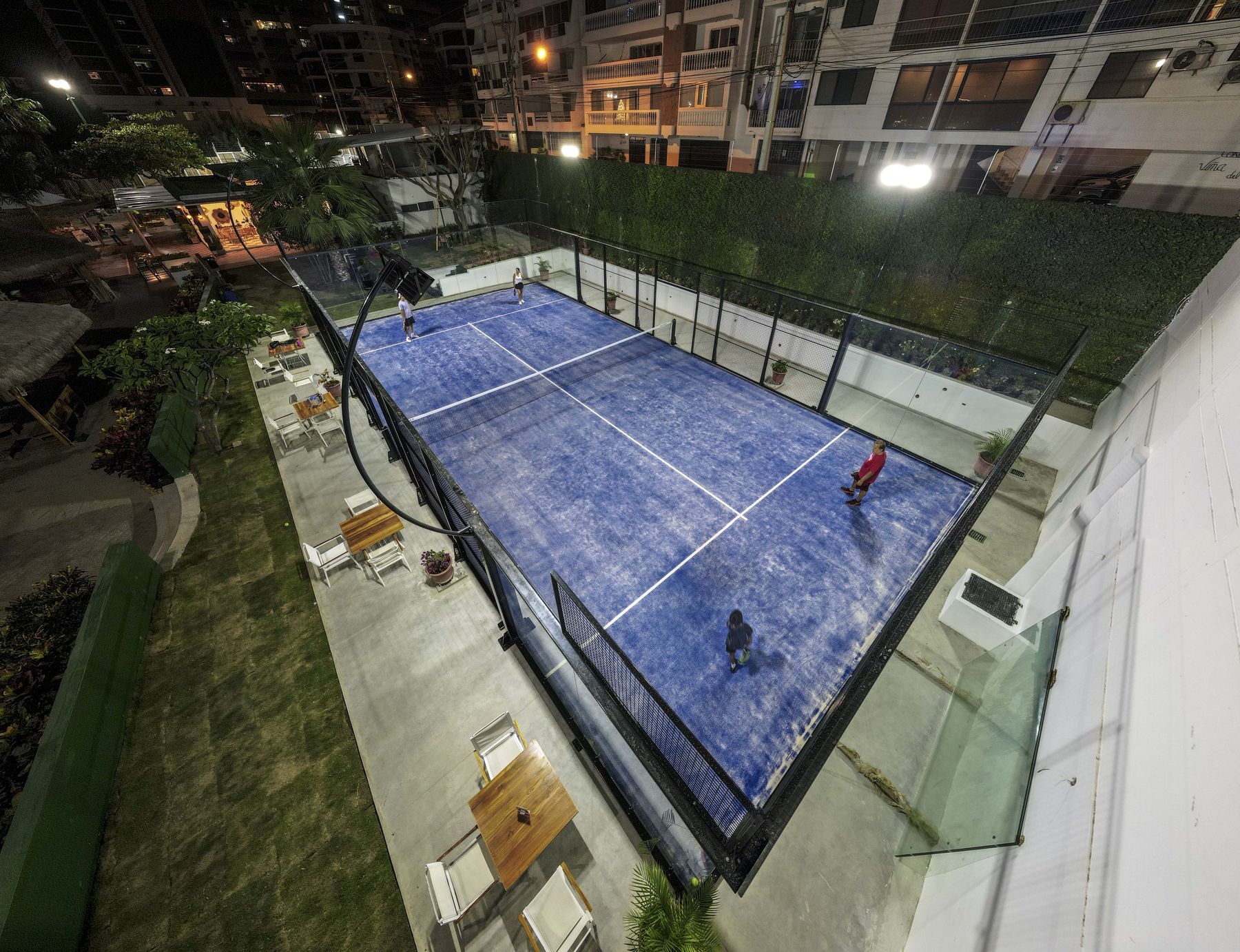
Padel court buying guide: what to check and mistakes to avoid
A practical checklist for buying a padel court: how to pick the model, which specifications to demand and the mistakes that cost the most later on.


