

The padel boom worldwide: why the sport keeps growing
From niche sport to global phenomenon: why padel keeps growing, where it is expanding fastest and what the boom demands from today's padel courts.

Market
From niche sport to global phenomenon
A few years ago padel was barely known outside a handful of countries. Today new clubs open every year across Europe, the Middle East and North America. Here is why.
From niche sport to global phenomenon
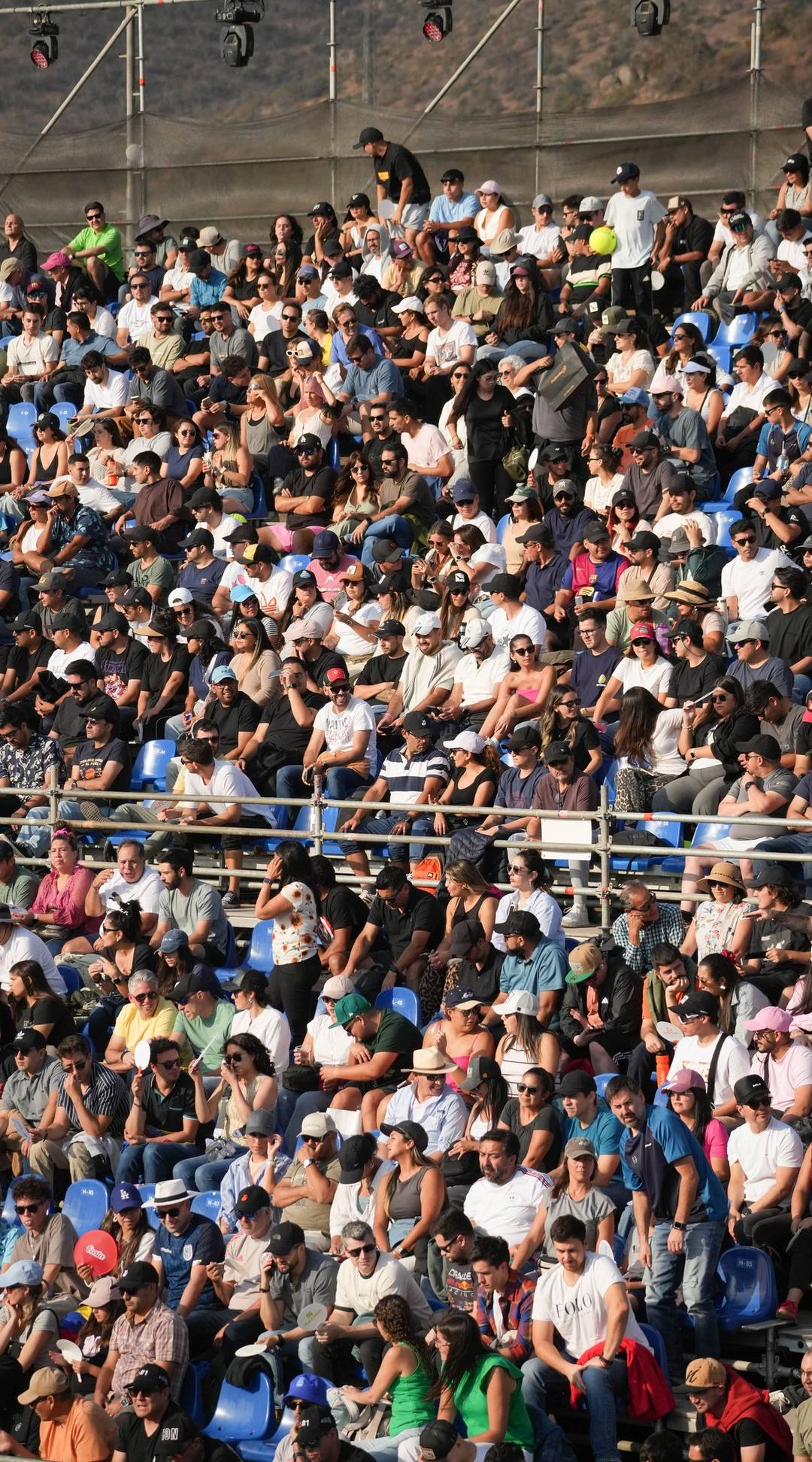
Padel was born in Mexico in the late 1960s and for decades was played in only a few countries. Spain turned it into a mass-participation sport and, in recent years, the padel boom has carried it across much of Europe, the Middle East and North America. Player numbers now run into the millions, and padel is regularly cited among the fastest-growing sports. Beyond the figures, which vary from source to source, the trend is clear: every year new clubs and courts open in markets where padel was unknown not long ago.
Why it hooks people: the keys to growth
- Quick to learn: it is fun from the very first match, without the steep learning curve of other racket sports.
- Social: it is played in pairs, in an enclosed space that keeps the ball in play and encourages conversation before and after the match.
- Mixes players: men and women, young and old, beginners and seasoned players share the same court.
- Compact: a doubles court measures 20 x 10 m, fits on urban plots, rooftops or industrial buildings and can be installed indoors.
The boost from the professional tours
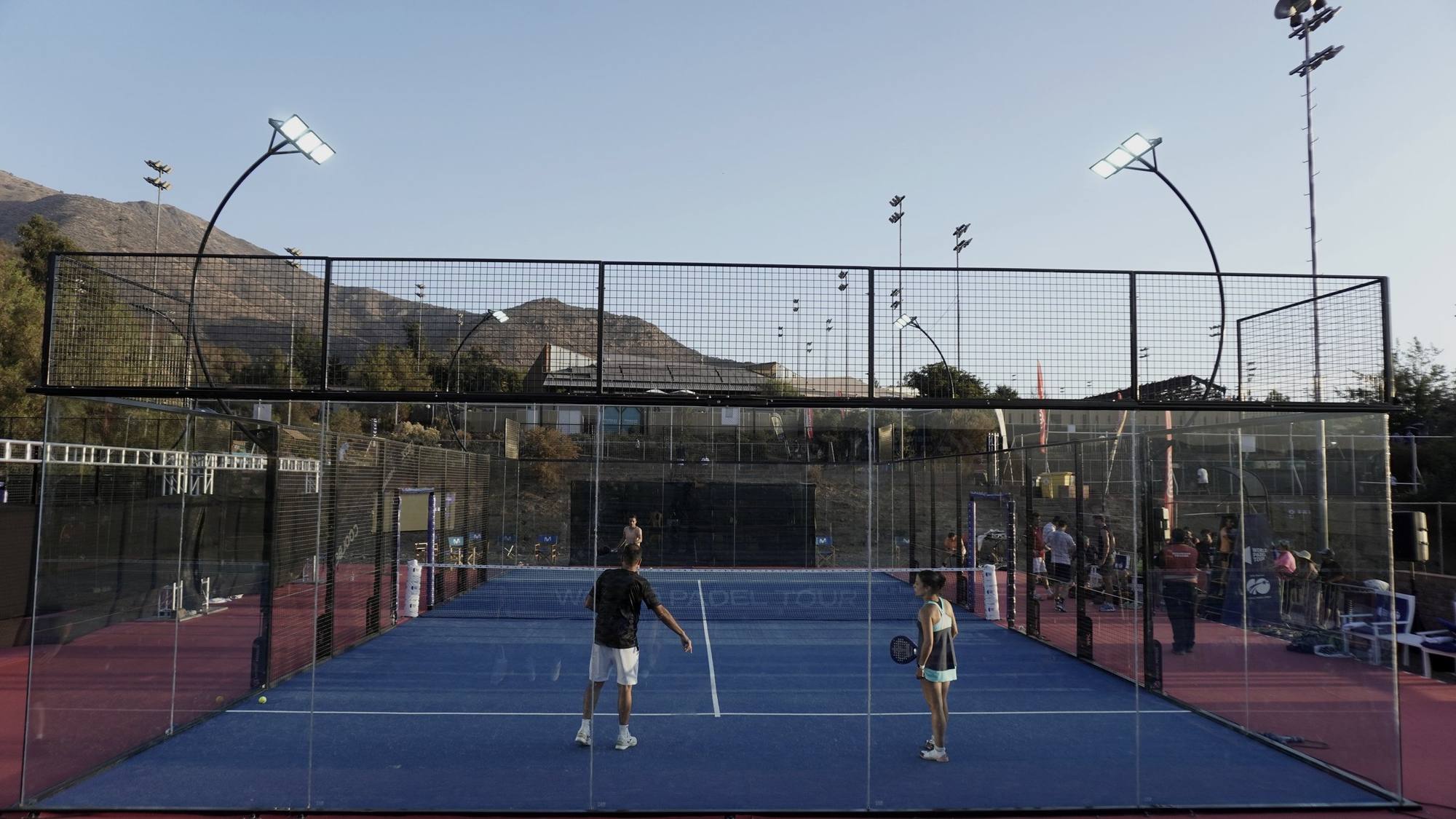
Professionalisation has given padel a visibility it never had before. The major international tours, broadcast coverage and the work of the International Padel Federation (FIP) have brought the sport to new audiences and raised the standard of facilities. At Padel Courts Master we have seen it first-hand: our Full Vision was the court chosen for Premier Padel 2024–25, we installed 4 official courts at the World Padel Tour 2023 event in Santiago, Chile, and the Full Vision was the official court of A1 Padel 2023.
Where padel is growing today
Spain remains the benchmark, with a mature market and an extensive network of clubs. Around it, countries such as Italy, Portugal, France, Sweden and the United Kingdom have seen rapid expansion, while the Middle East and the United States have joined with high-end projects. Our own experience confirms it: with more than 1,500 courts installed in 18 countries, we have equipped projects such as Squaddra in France, Swiss P4 in Zermatt (Switzerland), Ultra Aventura in Miami and Padel Estoril in Portugal.
What the boom demands from courts
More players means courts booked for many hours a day and increasingly demanding users. That is driving demand for:
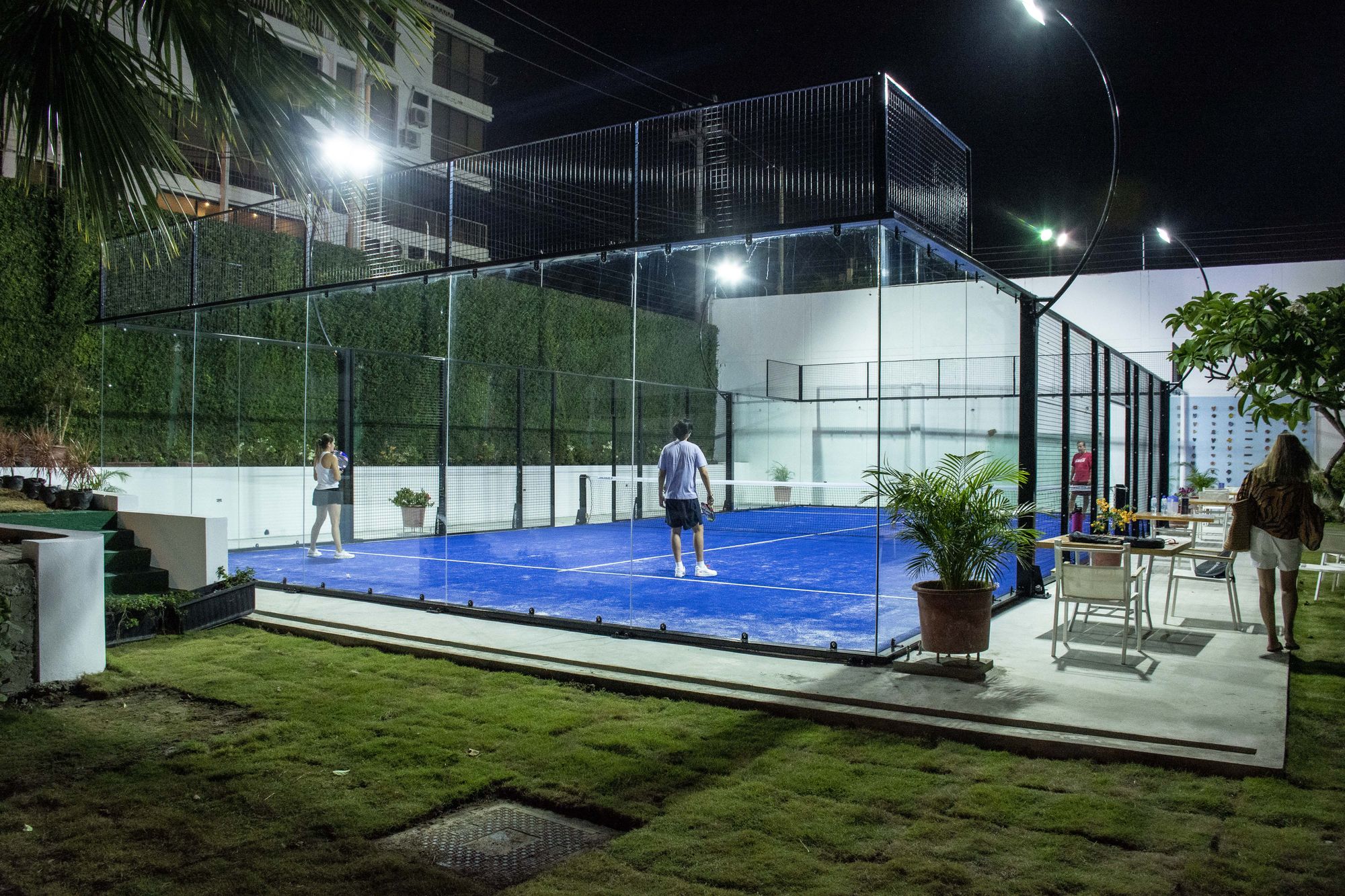
- Panoramic courts that improve visibility for players and spectators.
- Covered and indoor facilities that allow year-round play, a priority in northern European climates.
- FIP approval and materials built for heavy use: hot-dip galvanised steel with C5 treatment, 12 mm tempered glass and premium turf.
- Responsive after-sales: courts from the first wave are starting to need inspections, new turf or refurbishment, and we maintain courts from any manufacturer.
To see how each design responds to these needs, explore our padel court models.
An opportunity that calls for good judgement
Padel's growth opens opportunities for clubs, hotels, local councils and residential developers, but it does not guarantee a project's success on its own. Location, management and court quality still make the difference; we analyse them in detail in is a padel court profitable?
Frequently asked questions
-
Why is padel growing so fast?
Because it is quick to learn, played in pairs with a strong social element, mixes ages and levels, and the court takes up little space, which makes it easy to open clubs in cities and indoor venues. -
Where did padel originate?
Padel was born in Mexico in the late 1960s. It then took off in Spain, still its main benchmark, and in recent years has spread across Europe, the Middle East and the United States. -
In which countries is padel growing fastest?
Beyond Spain, markets such as Italy, Portugal, France, Sweden and the United Kingdom stand out, along with high-end projects in the Middle East and the United States. -
What kind of padel courts is the market asking for?
Panoramic, covered or indoor courts, FIP-approved and built with materials for heavy use, such as hot-dip galvanised steel, 12 mm tempered glass and premium turf.

Be part of padel's growth
Tell us about your project and we will prepare a quote for courts designed for heavy use.
Related articles
Guides
How to choose your padel court model: Full Vision, Panoramic and Elite Pro
We compare our padel court ranges so you can choose the right one for your project's use, audience and design.
Business
Is a padel court profitable? How to assess the business case
The sport's popularity alone does not make a padel court profitable. Location, occupancy, running costs and build quality decide the business case.
Guides
Padel court cost: the factors that determine the price
Why there is no single price for a padel court, which factors really move the figure and how to request quotes you can compare like for like.


